

By Master Drivers Team · Published December 16, 2025 · Last updated July 8, 2026
Winter Driving Tips: How to Stay Safe on Snowy and Icy Roads
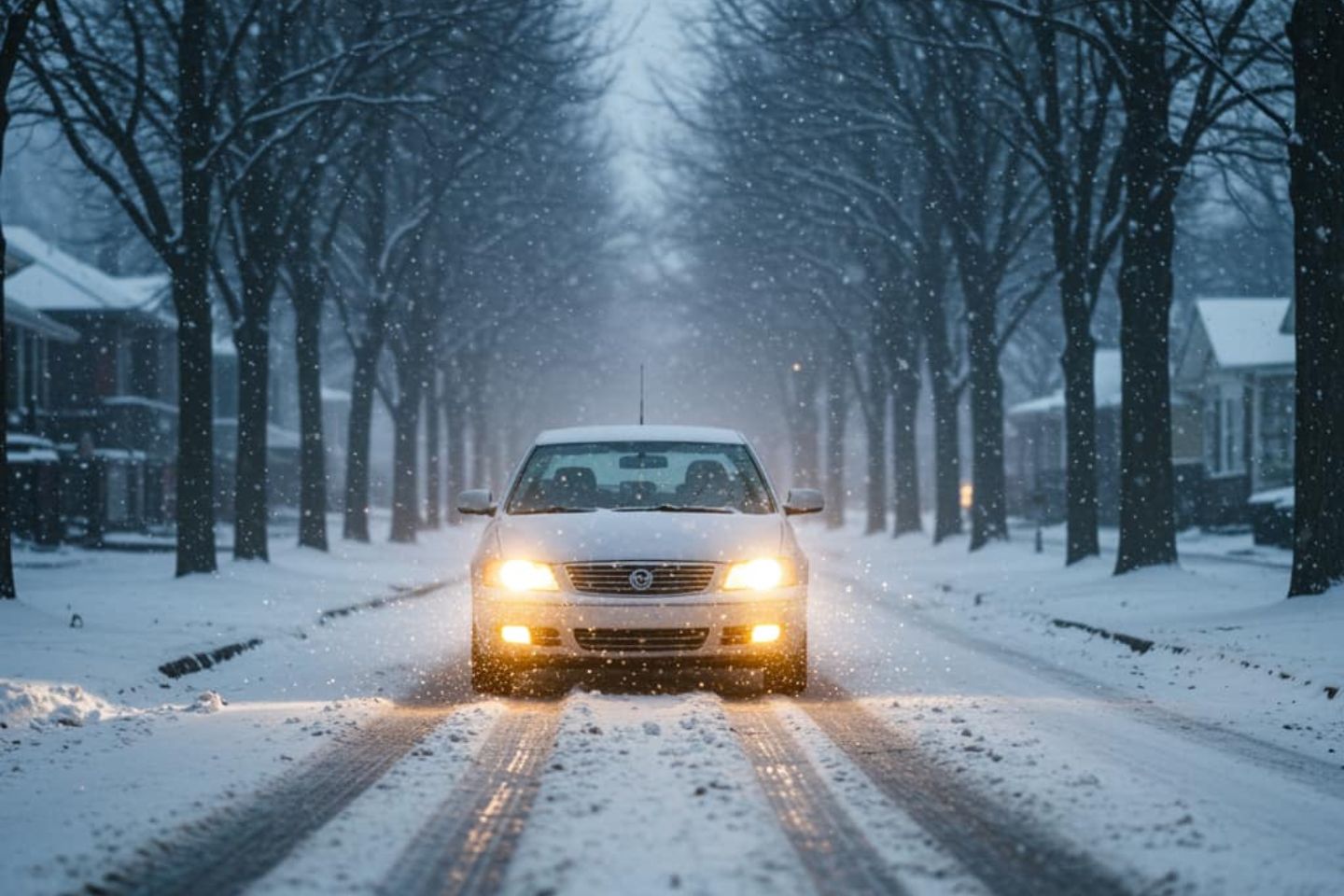
Driving in winter is a different game. Cold weather, snow, ice, and dark evenings change the way your car behaves. If you want to stay safe, you need the right habits and the right mindset. Winter driving tips are not just "nice to know" - they are essential to protect you and the people you care about.
"Stay ready, stay aware, and winter roads will respect you."
Why Winter Driving Needs Extra Attention
When the temperature drops, the road surface changes. Ice can hide under a thin layer of snow. Slush can pull your tires. Your stopping distance increases. That is why safe winter driving needs more space, more patience, and more focus.
Winter also affects visibility. The sun sits lower, it gets dark earlier, and heavy snow or fog can block your view. Good habits and smart choices reduce the risk of a crash and help you stay in full control.
Prepare Your Car Before Winter Starts
A strong winter journey starts before you even leave your driveway. Winter car preparation makes your vehicle more reliable and more forgiving on bad roads.
- Battery check: Cold weather is hard on weak batteries. Get it tested and replace it if needed.
- Winter tires: Use proper winter tires or make sure your current tires have enough tread depth. Better grip means better braking and steering.
- Fluids: Top up antifreeze and use winter windshield washer fluid that will not freeze.
- Wipers: Old wipers smear the glass. Replace them so you can see clearly in snow and rain.
- Lights: Check that all lights work and clean the lenses. Others need to see you early.
- Emergency kit: Pack blankets, gloves, water, snacks, flashlight, scraper, shovel, jumper cables, and a phone charger.
"Preparation is not a luxury. It's your first layer of protection."
Drive Smooth, Slow, and Smart
On winter roads, every move you make should be smooth. Sudden actions can cause a skid, even if you are an experienced driver. The best winter driving techniques are simple but powerful.
- Slow down: Reduce your speed on snow and ice. It gives you more time to react and lowers your stopping distance.
- Increase following distance: Leave at least three times more space than usual between you and the car ahead.
- Avoid sudden braking: Brake gently and early. Slamming the brakes can lock your wheels and start a skid.
- Turn gradually: Take corners slowly. Sharp steering on ice can make the car slide.
- Know your brakes: If your car has ABS, press the brake firmly and let the system work. Do not pump the pedal.
These habits are the core of safe winter driving: calm, smooth, and always in control.
 What to Do If You Start to Skid
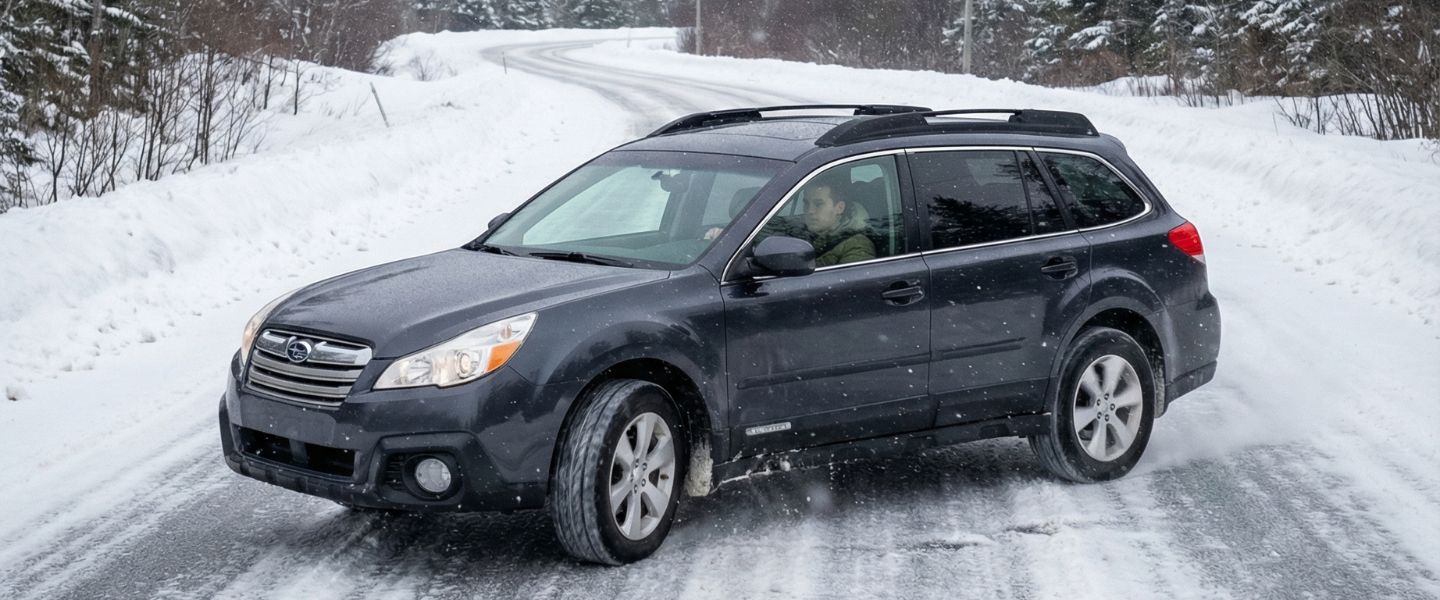
Even careful drivers can hit a patch of black ice. The key is not to panic. Skid control is mostly about staying relaxed and making small corrections.
- Stay calm. Panic leads to extreme steering and hard braking.
- Lift off the gas. Do not accelerate while the car is sliding.
- Steer in the direction you want to go. Look where you want the car to travel and gently guide the wheel.
- Avoid slamming the brakes. Hard braking can make the skid worse, especially on ice.
"Control starts in your mind before it reaches your hands."
Visibility Is Everything in Winter
Good visibility is one of the most important winter safety tips for drivers. If you cannot see clearly, you cannot react in time.
- Use low-beam headlights: In snow, fog, and heavy rain, low beams help you see and be seen.
- Clear all windows and mirrors: Remove snow and ice from glass and mirrors before driving.
- Defrost fully: Wait until the windshield is clear inside and out, not just a small peephole.
- Clean the roof: Snow on the roof can slide forward onto your windshield when you brake.
Winter Driving and Hazard Perception
Hazard perception is your ability to spot danger before it becomes a problem. In winter, this skill becomes even more important. You need to be one step ahead of the road.
Keep scanning for:
- Shiny patches that might be black ice
- Snowbanks hiding pedestrians, children, or parked cars
- Vehicles braking suddenly or sliding at intersections
- Snowplows and road workers
- Wildlife or animals near the shoulder
Do not stare at one point. Move your eyes: mirrors, dashboard, road ahead, sides. This is a key part of defensive driving in winter.
How We Approach Winter Driving Safety
At Master Driving School, we see winter as the ultimate test of a driver's skills. Our focus is on defensive driving, decision-making, and real-world practice in all conditions.
We help our students:
- Understand how snow, ice, and cold affect braking and steering
- Use winter driving techniques like smooth acceleration and controlled braking
- Build strong hazard perception and risk awareness
- Develop calm and confident reactions under pressure
Winter will always be challenging, but with the right training and mindset, it does not have to be scary.
Winter Driving Tips - FAQ
Is winter driving really that different?
👉 Yes. Snow and ice reduce traction, increase stopping distance, and make it easier to lose control. That is why winter driving tips focus on speed, space, and smooth control.
What are the most important winter driving tips?
👉 The big three are: slow down, increase following distance, and prepare your vehicle before winter starts.
Do I need winter tires?
👉 If you drive in snow and ice, winter tires are strongly recommended. They give better grip, better braking, and better control than all-season tires in cold weather.
What should I keep in my car for winter?
👉 A winter emergency kit: blankets, warm clothes, water, snacks, scraper, brush, shovel, jumper cables, flashlight, and a phone charger. A small bag of sand or kitty litter can help with traction if you get stuck.
How can I avoid skidding?
👉 Drive smoothly. No hard acceleration, no sharp steering, and no sudden braking. If you start to skid, ease off the gas and gently steer in the direction you want the car to go.
Final Thoughts - Stay Ready, Stay Safe
Winter will test every driver. But with the right winter driving tips, solid preparation, and calm decision-making, you can travel with confidence on snowy and icy roads.
Safe winter driving is not about being perfect. It is about being prepared, patient, and aware of what is happening around you.
"The safest drivers are not lucky. They are prepared."
Want to feel more confident driving in winter conditions? Start your journey with Master Driving School today and learn real-world skills for every season.