

By Master Drivers Team · Published February 3, 2026
Road Test Vehicle Requirements in Ontario: Why You Should Use a Licensed Driving School Car (Not a Car Provider)
road test vehicle requirements are the very first thing every Ontario road test applicant must understand before booking or showing up on test day. Even a skilled driver can lose their test appointment, and 50% of the test fee, if the vehicle does not meet Ontario's official standards. Knowing what is required, and choosing the right vehicle, can make the difference between a smooth road test and an expensive cancellation.
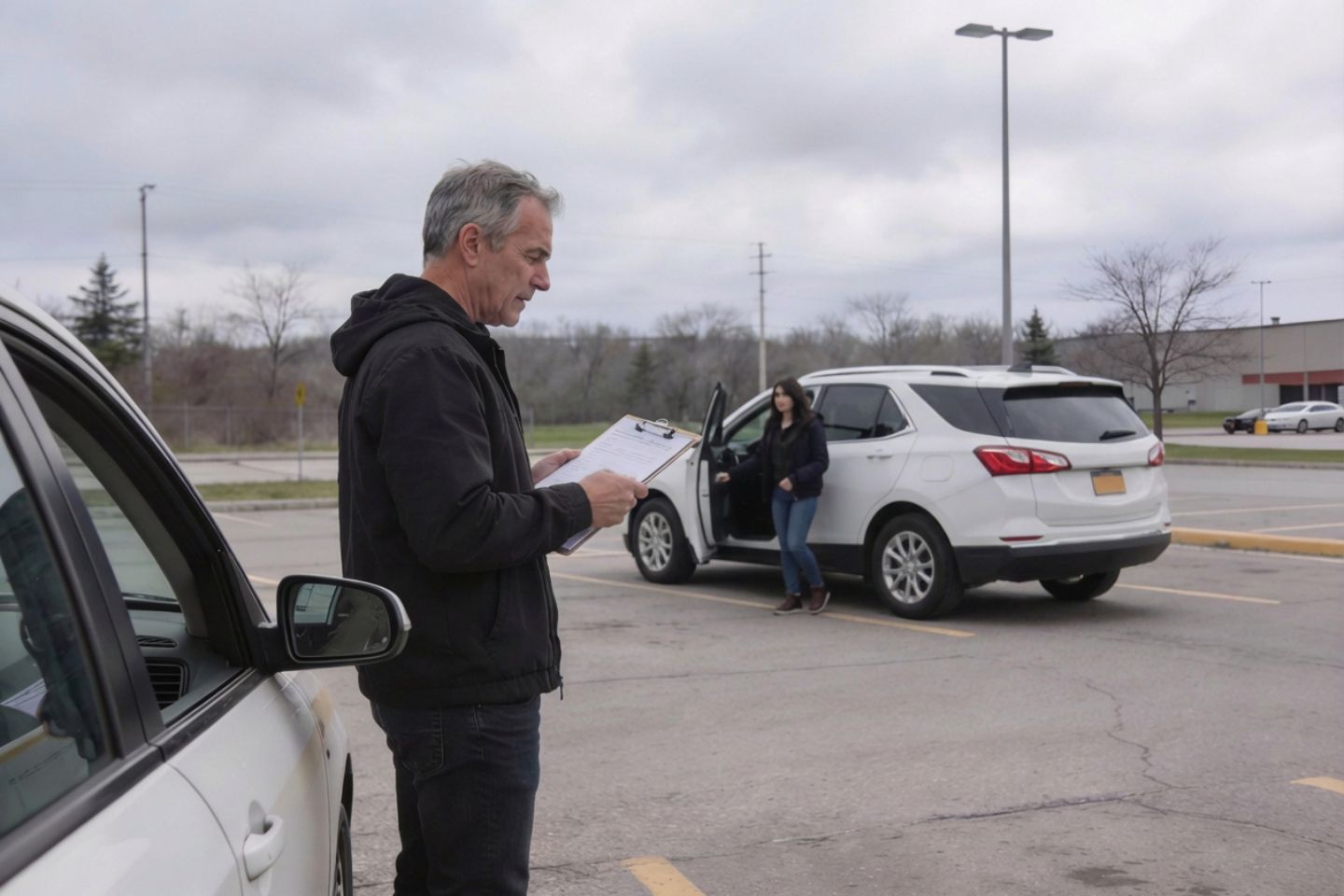
In Ontario, the Ministry of Transportation and DriveTest enforce strict vehicle standards for all road tests. These rules apply whether the car is owned, borrowed, or rented. Examiners are required to assess the vehicle's safety before the test even begins, and if something is wrong, the test is declared "out-of-order."
This guide explains Ontario road test vehicle requirements, common reasons tests are cancelled, the risks of rental or car-provider vehicles, and why using a licensed driving school car is often the safest choice.
Key takeaways
- Your road test vehicle must be safe, roadworthy, plated, and insured.
- Minor issues (lights, tires, windshield) can trigger an "out-of-order" cancellation.
- Rental cars can carry insurance or contract restrictions for road tests.
- A licensed driving school car is pre-checked and familiar, reducing risk and stress.
Quick checklist before you leave
- Lights: headlights, brake lights, signals, hazards
- Brakes: foot brake + parking brake
- Tires: good condition + correct pressure
- Glass: windshield not severely cracked, mirrors clean
- Cabin: no loose items, no pets, no extra passengers
- Legal: valid plates, registration, and insurance
1. What Are the Basic Road Test Vehicle Requirements in Ontario?
According to official DriveTest vehicle requirements Ontario, the vehicle used for a road test must be safe, roadworthy, legally plated, and properly insured. Before the examiner starts the test, they will inspect the vehicle to ensure it meets minimum safety standards.
The examiner will typically check:
- Headlights, brake lights, turn signals, and hazard lights
- Brakes and parking brake
- Horn
- Tires (condition and inflation)
- Windshield and mirrors
- Seat belts for driver and examiner
- Doors, hood, and trunk securely closed
- Dashboard warning lights
- Overall roadworthiness
If any of these items do not meet standards, the test can be declared out-of-order immediately. In that case, DriveTest policy states that 50% of the test fee is forfeited, even though no driving occurred.
Examiners focus entirely on safety. If there is any doubt about the vehicle's condition, they are required to cancel the test. This is why understanding Ontario road test requirements is just as important as practicing driving skills.
What does "out-of-order" mean? It means the examiner has found a safety or compliance issue with the vehicle before the test starts, so the road test is cancelled and fees may be partially forfeited.
2. Everyday Reasons Tests Are Declared Out-of-Order
Many cancellations happen for simple, avoidable issues. These problems apply to any vehicle, regardless of who owns it.
Common reasons include:
- Broken or non-working signals or lights
- Cracked or severely damaged windshield
- Loose, missing, or unsecured vehicle parts
- Safety defects such as low tire pressure or brake problems
- Objects inside the car that could move or cause injury
- Passengers or pets present during the test (not permitted)
Even one missing or defective item on the road test car checklist can result in cancellation. This is why many drivers are surprised on test day when a minor issue becomes a costly problem.
3. The Hidden Insurance and Rental Risks
DriveTest does not provide vehicles. Official rules allow you to use a vehicle that is owned, borrowed, or rented, as long as it meets all Ontario road test requirements. However, rental car for road test risks are often misunderstood.
Some important risks include:
- Insurance exclusions: Many rental agreements prohibit use of the vehicle for driver licensing tests. Using the car for a road test may void coverage.
- Personal liability: If damage occurs during the test, you could be personally responsible for repairs.
- Contract violations: Some rental providers explicitly restrict road test use. Violating the contract can lead to penalties or denied claims.
- Unfamiliar vehicle: Driving a car you have never practiced in can increase stress, reduce confidence, and lead to mistakes.
Even if a rental vehicle is technically allowed, the Ontario road test vehicle checklist still applies. A rental car offers no guarantee against cancellations or insurance issues.
 4. Why Licensed Driving School Cars Are the Safer Choice
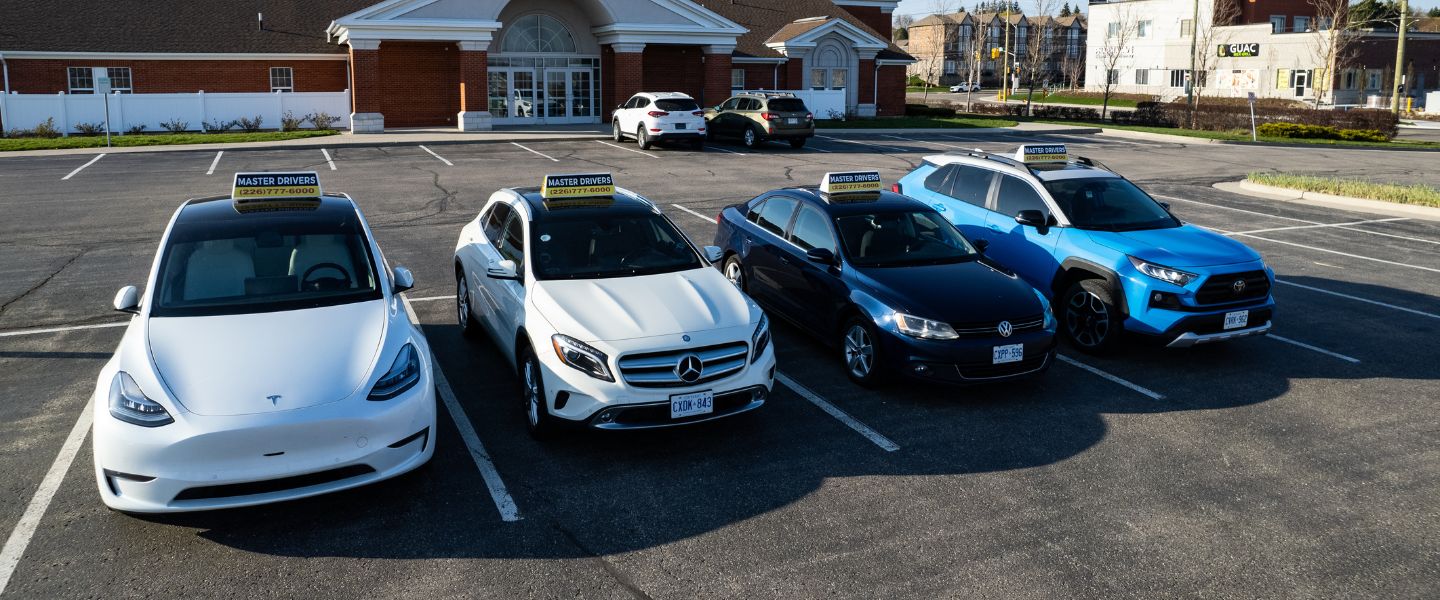
Using a driving school car for road test purposes offers clear advantages that many first-time drivers overlook.
Licensed driving school vehicles are:
- Pre-checked to comply with Ontario's official vehicle standards
- Maintained specifically for road test use
- Often equipped with dual brakes and added safety features
- Familiar to the student, since practice lessons were done in the same car
In addition, instructors can help with last-minute preparation before the test begins. This reduces stress, avoids vehicle-related cancellations, and increases overall confidence.
From the examiner's perspective, a professional driving school car signals preparedness and safety. From the student's perspective, it removes uncertainty and risk.
5. How to Prepare Your Vehicle Checklist for Test Day
If you are not using a licensed driving school vehicle, preparation is critical. Use this road test car checklist before heading to DriveTest:
- Test all lights and turn signals
- Confirm brakes and parking brake work properly
- Check tire condition and correct inflation
- Inspect windshield, wipers, and mirrors
- Remove pets and unnecessary passengers
- Clear loose or dangerous items from the vehicle
- Ensure the car is clean, safe, and roadworthy
- Verify valid plates, registration, and insurance
What to bring
- Your valid driver's licence
- A compliant vehicle with valid plates, registration, and insurance
- Extra time (arrive early and stay calm)
What NOT to bring in the car
- Pets or extra passengers
- Loose items (bags, bottles, tools) that can move during driving
- Anything blocking windows or mirrors
For more information about minimum standards and the full vehicle requirements list, visit the official DriveTest road test vehicle requirements page.
Conclusion: Choose Safety, Confidence, and Peace of Mind
Meeting Ontario road test vehicle requirements is not optional. Failing to comply can lead to immediate cancellation and lost fees, even if you are fully prepared to drive.
While borrowed or rental vehicles may seem convenient, they carry hidden risks related to insurance, compliance, and unfamiliarity. Choosing a licensed driving school car reduces uncertainty, improves comfort, and helps ensure your test proceeds as planned.
Book your road test vehicle and prep session through Master Driving School to ensure your car is fully compliant and you are confident on test day. Preparing the right way does not just protect your test fee. It protects your confidence, your safety, and your success.
Road Test Vehicle Requirements Ontario: FAQ
What are the basic road test vehicle requirements in Ontario?
Your vehicle must be safe, roadworthy, properly plated, and insured. Examiners typically check lights, brakes, tires, mirrors, seat belts, and dashboard warning lights before the test begins.
Can I use a rental car for a DriveTest road test in Ontario?
Sometimes, but rental agreements may restrict road test use and may affect insurance coverage. The vehicle must still pass the DriveTest safety check.
Why is a driving school car safer for a road test?
Licensed driving school cars are maintained for testing, pre-checked for compliance, and often familiar from lessons, which reduces cancellation risk and test-day stress.
What are common reasons a road test is cancelled as out-of-order?
Common reasons include non-working lights, unsafe tires, cracked windshields, dashboard warning lights, loose parts, unsafe items inside the car, or arriving with pets or extra passengers.
What should I bring to my Ontario road test?
Bring your valid driver's licence and ensure the vehicle has valid plates, registration, and insurance. Arrive early and keep the car clean and free of loose items.
What should I avoid bringing in the car during the road test?
Avoid pets, extra passengers, and any loose items that can roll around or create a safety hazard. Keep the cabin clear and tidy for the examiner.
Need a compliant car and a quick warm-up before your test? Explore our road test packages or check our in-car driving lessons to build confidence in the same vehicle you will use on test day.